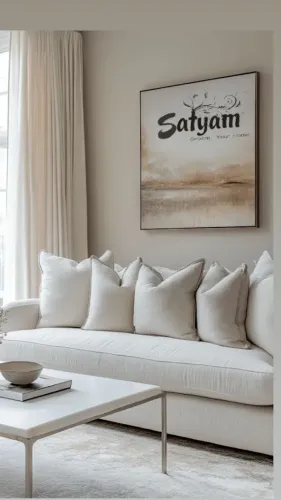

Walls occupy a large visual area in any room, yet they are often treated as a background element rather than an active part of the interior design. Paint works well for simple spaces, but homeowners who want more individuality can use Customise Wallpapers to introduce patterns, textures, artwork, colours, and visual themes that reflect the character of the room.
For homes in Thane, Maharashtra, customised wall treatments are particularly useful when standard wallpaper collections do not fit the dimensions, furniture palette, or design concept of a space.
What makes customised wallpaper different
Standard wallpaper is produced in predetermined designs and repeating patterns. Customised wallpaper gives greater control over the finished appearance. Depending on the design requirement, it may allow changes to:
- Pattern scale
- Colour combinations
- Graphic elements
- Wall dimensions
- Image placement
- Overall theme
- Visual texture
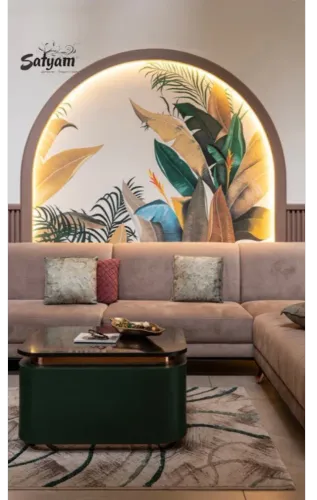
This flexibility makes customised designs useful for feature walls where homeowners want something distinctive without filling the room with additional decorative objects.
Choose the design according to the room
A wallpaper that looks impressive in a living room may not create the same effect in a bedroom. The function and atmosphere of the space should influence the design.
Living rooms can accommodate stronger patterns, abstract artwork, botanical themes, geometric designs, and textured effects. Bedrooms generally benefit from softer compositions that create a calmer visual environment.
For children's rooms, age-appropriate illustrations, nature themes, maps, or imaginative graphics can make the space more engaging. Dining areas can use sophisticated patterns to create a more defined setting.
Commercial interiors have different requirements. Reception areas, offices, clinics, cafés, boutiques, and hospitality spaces can use customised wall graphics to complement their interior identity.
Wall dimensions matter more than expected
Custom wallpaper should be planned around the actual wall rather than selected only from a sample image.
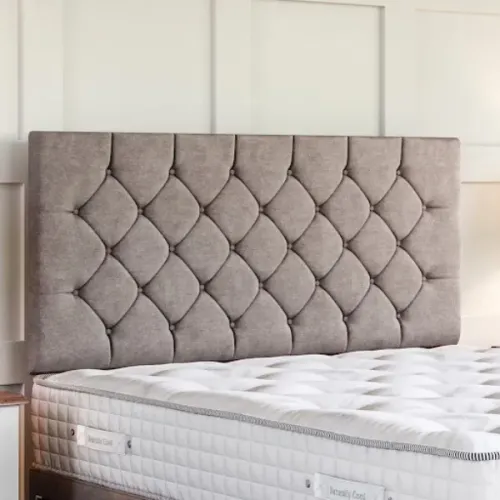
Doors, windows, electrical points, furniture, wall-mounted televisions, headboards, and other fixtures affect the visible portion of the design. A central graphic, for example, may lose its impact when a television covers an important section.
Accurate measurements help position key visual elements correctly.
Consider existing furniture and lighting
Wallpaper does not exist independently from the rest of the room. Sofa upholstery, curtains, flooring, ceiling finishes, furniture, and lighting all influence how a wall design appears.
Rooms with substantial patterned furnishings may benefit from understated wallpaper. Interiors with neutral furniture can usually accommodate a more expressive feature wall.
Natural and artificial lighting should also be considered. Dark designs can feel dramatic in a well-lit room but may make a small room appear visually heavier when daylight is limited.
Material selection is equally important
The appearance of wallpaper is only one part of the decision. Surface finish, maintenance requirements, installation quality, and suitability for the intended room also matter.
Before finalising a material, consider whether the wall is exposed to frequent touching, dust, moisture, or direct sunlight.
Satyam Furnishing works with homeowners and interior professionals in Thane on customised furnishing requirements, allowing wallpaper decisions to be coordinated with other elements of the interior.
A successful wallpaper installation should feel like part of the architecture rather than decoration added at the end. When the scale, colour, wall dimensions, furniture, and lighting are considered together, customised wallpaper can turn an otherwise ordinary wall into one of the strongest visual features of the room.
Keywords