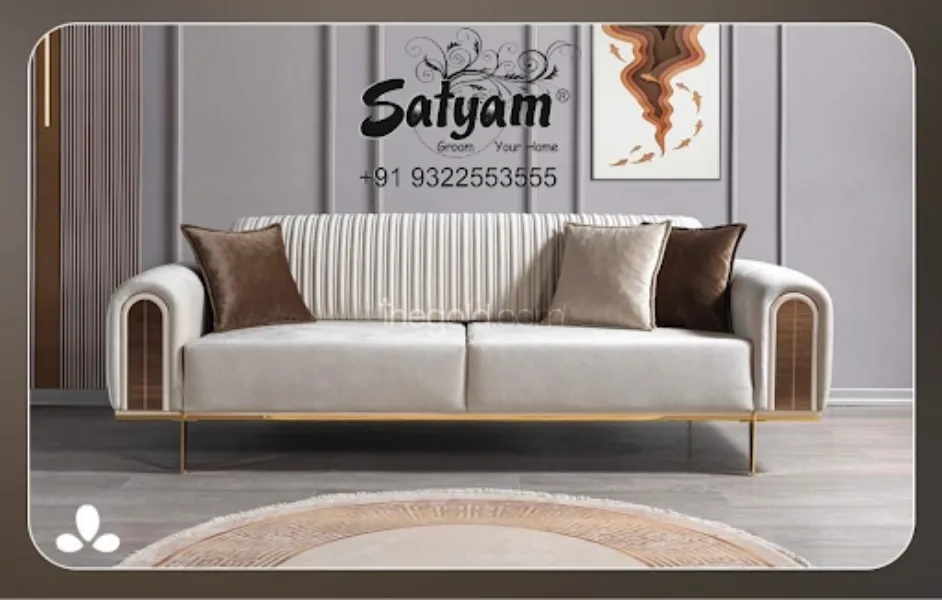
A sofa can look impressive in a showroom and still feel unsuitable after a few months of daily use. Seat depth may be uncomfortable, armrests may consume unnecessary space, or the overall dimensions may interfere with movement through the room. A Customised Sofa allows these practical details to be considered before the furniture is made.
This is especially relevant in Thane, Maharashtra, where apartment layouts range from compact living rooms to larger residences with open-plan seating areas.
Comfort Begins With How You Actually Sit
People use sofas differently.
Some prefer an upright seating posture. Others like deeper seats for relaxed lounging. Families may need generous seating, while a couple living in a smaller apartment might value a compact configuration with efficient use of floor space.
Before choosing dimensions, think about who will use the sofa most frequently.
Seat height, seat depth, back support, armrest height, and cushion firmness can all influence comfort.
Room Dimensions Should Guide Sofa Dimensions
A large sofa is not automatically more comfortable if it makes the room difficult to navigate.
Measure the complete seating area and consider:
- Walking passages
- Coffee table clearance
- Television viewing position
- Doors and balcony openings
- Electrical points
- Side tables
- Existing furniture
It is also worth checking the route through which the sofa will enter the property. Lift dimensions, doorways, corridors, and staircases can influence how a large customized piece should be constructed or assembled.
Upholstery Needs to Match Real Life
Fabric selection should consider more than colour.
A home with children may have different maintenance priorities from a formal sitting room used occasionally. Pet owners may also need to consider surface texture and cleaning requirements.
Ask how the upholstery should be maintained and whether the chosen material is appropriate for the expected level of use.
Colour should be evaluated in the actual room whenever possible. Natural daylight and warm artificial lighting can make the same fabric look noticeably different.
Cushion Construction Changes the Experience
A sofa's comfort comes from more than its visible upholstery.
Internal support, cushioning materials, back cushions, and overall construction influence how the seat feels and how well it maintains its form.
When evaluating a Customised Sofa, describe the desired seating feel rather than simply requesting a sofa that is 'soft' or 'firm.' Someone wanting upright support may require a very different configuration from someone designing a lounge-style family seating area.
Design Around the Entire Room
The sofa is usually one of the largest visual elements in a living room.
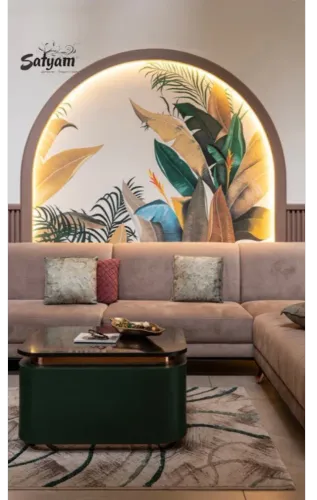
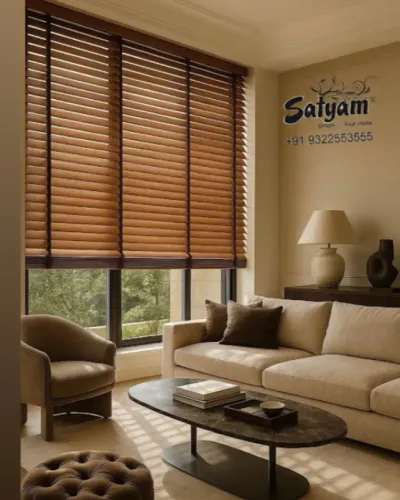
Its proportions should coordinate with curtains, blinds, rugs, wall treatments, lighting, and other furniture. Interior designers and homeowners can therefore benefit from considering the complete furnishing palette before finalizing upholstery.
Satyam Furnishing works with customers in Thane looking at customized furnishing solutions where dimensions, fabric choices, room layout, and décor need to work together.
Frequently Asked Questions
What measurements are needed for a Customised Sofa?
Room dimensions, available sofa space, access routes, preferred seat dimensions, and surrounding furniture positions should all be considered.
Can sofa firmness be customized?
Customization options vary by construction, but cushioning and seating preferences can usually be discussed before the final specification.
How do I choose upholstery fabric?
Consider usage frequency, maintenance, texture, colour, household requirements, and the overall interior palette.
Should I customize a sofa for a small living room?
Customization can be particularly useful in compact rooms because dimensions can be planned around available floor space rather than a standard furniture size.
Keywords