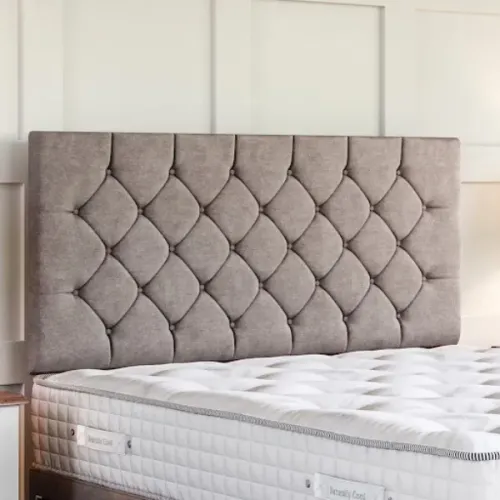

Mattress shopping becomes confusing when labels begin to sound like medical promises. An Orthopedic Mattress is commonly considered by people looking for a supportive sleeping surface, but the word itself should not replace a careful assessment of firmness, materials, sleeping position, body weight, and individual comfort.
For customers in Thane, Maharashtra, comparing these factors can be more useful than choosing a mattress based only on a product label.
Support and Firmness Are Different
A very hard mattress is not automatically more supportive.
Support relates to how effectively the sleeping surface helps maintain comfortable body alignment. Firmness describes how soft or hard the mattress feels.
Two people can lie on the same mattress and experience its firmness differently because body weight and sleeping position affect how deeply each person sinks into the surface.
Your Sleeping Position Matters
Side sleepers often need enough surface give to accommodate the shoulders and hips.
Back sleepers may prefer a balanced surface that supports the body without excessive sinking. Stomach sleepers may have different firmness requirements depending on body build and comfort preferences.
Couples should consider both sleepers rather than choosing solely according to one person's preference.
Compare Construction Rather Than Labels
When evaluating an Orthopedic Mattress, ask what is actually inside it.
Useful questions include:
- What materials form the comfort layers?
- What provides the underlying support?
- What is the mattress thickness?
- Is the construction suitable for the existing bed base?
- How should the mattress be maintained?
- What warranty conditions apply?
These questions create a more meaningful comparison than relying on descriptive terminology alone.
Consider the Existing Bed
Even a suitable mattress may perform differently when placed on an inappropriate base.
Measure the bed carefully and check the condition of the supporting platform. If the bed dimensions are non-standard, a customized mattress may need to be considered instead of forcing a standard size into the available frame.
Bedroom access also matters for larger mattresses, particularly in apartment buildings where lifts and staircases can restrict movement.
Give Comfort Proper Attention
A few seconds of pressing a mattress with your hand reveals very little about sleeping comfort.
Where possible, assess the mattress in a normal lying position. Notice whether the body feels supported and whether pressure around the shoulders, hips, and lower back feels comfortable.
People managing diagnosed musculoskeletal conditions should follow the advice given by their treating healthcare professional rather than assuming a mattress itself will treat a medical condition.
Satyam Furnishing offers customers in Thane the opportunity to consider mattresses alongside bedroom furnishing requirements, including bed dimensions and personalized sizing needs.
Frequently Asked Questions
Is an Orthopedic Mattress always very firm?
Not necessarily. Products described using this term can have different firmness levels and constructions.
Can an orthopedic mattress cure back pain?
A mattress should not be treated as a cure for back pain. Individual medical conditions require appropriate clinical assessment.
How do I choose mattress firmness?
Consider sleeping position, body weight, comfort preference, support needs, and any guidance provided by your healthcare professional.
Should I measure my bed before buying?
Yes. Measuring the usable mattress area helps prevent gaps, overhang, and incorrect sizing.
Keywords