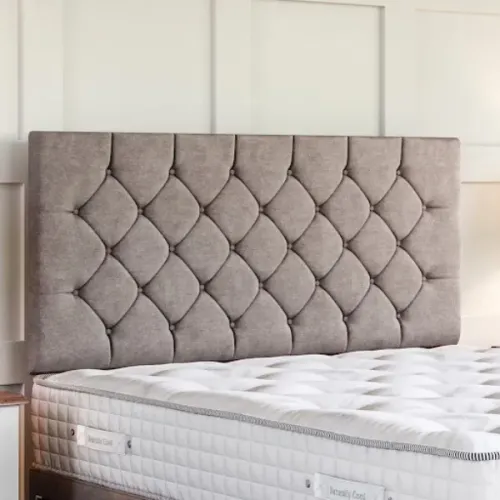

People often compare mattresses by price or firmness alone. Neither factor tells the whole story. A mattress should support the body comfortably, suit the user's preferred sleeping position, fit the bed correctly, and remain practical for regular use.
For households in Thane, Maharashtra, comparing these factors before buying can prevent a common problem: choosing a mattress that feels comfortable for a few minutes in a showroom but does not suit everyday sleeping habits.
Begin with your usual sleeping position
Sleeping position influences how pressure is distributed across the body.
Side sleepers commonly prefer a surface that provides some cushioning around the shoulders and hips. Back sleepers often look for a balance between support and comfort. Stomach sleepers may prefer a surface that limits excessive sinking around the midsection.
These are general preferences rather than fixed rules because body weight, comfort expectations, and personal habits differ.
Firmness is not the same as support
A very firm mattress is not automatically more supportive.
Firmness describes how hard or soft the surface feels. Support refers to how effectively the mattress maintains comfortable body alignment.
A mattress can feel relatively soft while still providing appropriate underlying support. Similarly, an extremely hard surface may not necessarily be comfortable for every sleeper.
This distinction is worth understanding before comparing models.
Check the correct mattress dimensions
Mattress sizing should correspond to the actual internal dimensions of the bed.
Terms such as single, queen, and king are useful categories, but furniture dimensions can vary. This becomes particularly important with customised beds and carved wooden furniture.
Measure:
- Internal bed length
- Internal bed width
- Available mattress depth
- Height of the bed frame
- Headboard proportions
An excessively thick mattress can change the visual proportions of a bed and may partially cover decorative headboard details.
Consider who will use it
A mattress for one person may require different characteristics from a mattress shared by a couple.
For shared beds, movement transfer can be an important consideration. If one person changes sleeping positions frequently, the other person may prefer a mattress construction that reduces disturbance.
For guest bedrooms, broader comfort suitability may be more practical than choosing highly specialised firmness.
Understand material options
Mattresses can use foam, springs, latex-based materials, layered constructions, and combinations of different technologies. Each construction has different characteristics relating to cushioning, responsiveness, ventilation, movement, and feel.
Rather than choosing solely from a material name, compare how the complete mattress construction feels.
Think about the complete bedroom
Mattress selection also affects bed linen, bed height, bedside furniture, and the overall appearance of the bedroom.
Satyam Furnishing helps customers in Thane coordinate furnishing requirements across bedrooms and other living spaces. This can be particularly useful when mattresses are being selected alongside beds, curtains, upholstery, or other interior elements.
A good mattress purchase begins with understanding how you sleep rather than following a generic recommendation. Measure the bed, consider sleeping position, compare firmness and support separately, and evaluate how the mattress will function in daily use.
The right choice should feel comfortable not only during a short trial but throughout regular nights of sleep.
Keywords