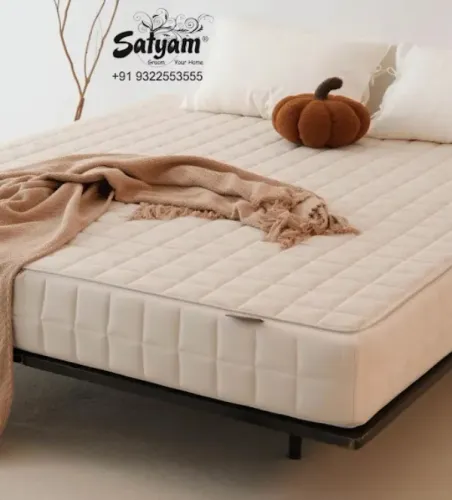
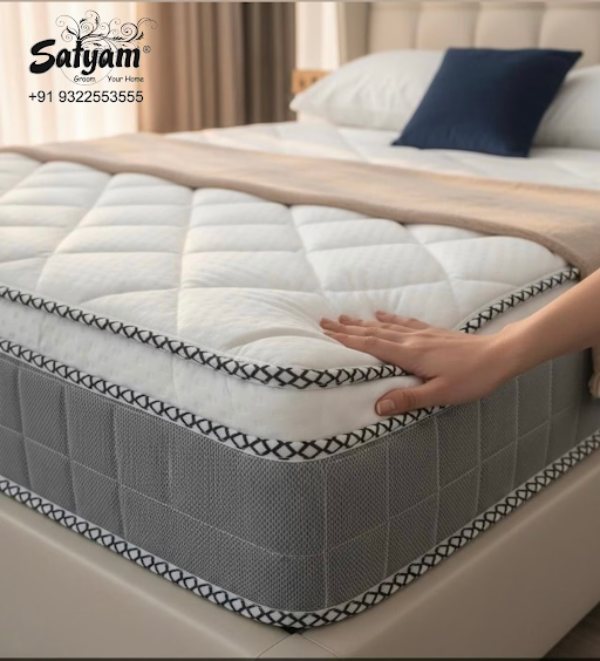
Choosing a mattress based only on how soft it feels in a showroom can lead to an uncomfortable decision later. A Spring Mattress uses an internal spring system to provide support and responsiveness, but different constructions can feel noticeably different. The right choice depends on sleeping position, body weight, preferred firmness, bed dimensions, and whether the mattress will be used by one person or a couple.
For customers in Thane, Maharashtra, comparing these practical factors before purchasing can make it easier to select a mattress that suits everyday sleeping requirements rather than relying only on brand claims or appearance.
Understanding How a Spring Mattress Works
The defining feature of a Spring Mattress is its internal system of metal coils or springs. These provide the primary support structure, while additional comfort layers above the springs influence cushioning and surface feel.
Not every spring construction performs in exactly the same way. Differences in coil design, arrangement, mattress thickness, comfort layers, and edge construction can change how responsive or firm the mattress feels.
This is why two mattresses that both use springs may provide very different sleeping experiences.
Consider Your Preferred Sleeping Position
Your normal sleeping position is an important part of mattress selection.
Side sleepers generally need enough cushioning around areas such as the shoulders and hips. Back sleepers often look for a combination of support and surface comfort. Stomach sleepers may prefer a sleeping surface that limits excessive sinking, although individual preferences vary.
Rather than choosing firmness according to a generic recommendation, spend some time lying in your normal sleeping position when evaluating a mattress.
Check Motion Before Buying for Two People
Couples should pay particular attention to movement across the mattress.
If one person frequently changes position during the night, movement may be noticeable to the other sleeper depending on the mattress construction.
Testing both sides of the mattress can provide a better idea of how it responds when another person sits, turns, or gets out of bed.
Measure Your Bed Carefully
A comfortable mattress still needs to fit the bed correctly.
Measure the usable internal length and width of the bed frame rather than relying entirely on labels such as single, double, queen, or king.
This becomes especially important when the bed has been custom-made.
Also consider mattress thickness. A considerably thicker mattress can change the overall bed height and affect how the mattress aligns with an existing bedback or headboard.
Look Beyond Firmness
Mattress shoppers often focus heavily on whether a product is soft, medium, or firm. Several other characteristics deserve attention.
Consider:
- Internal spring construction
- Comfort layer materials
- Mattress thickness
- Edge support
- Surface responsiveness
- Recommended bed base
- Care requirements
- Warranty conditions
Understanding these specifications makes it easier to compare products on meaningful characteristics rather than marketing terminology.
Think About Airflow and Room Conditions
Spring-based construction may provide a different internal structure from solid foam mattresses. However, the overall sleeping experience still depends on the complete mattress design, including its comfort layers and cover materials.
In Thane's warm and humid seasonal conditions, customers may also want to discuss mattress materials, ventilation around the bed, and recommended maintenance.
Following the manufacturer's care instructions can help maintain the mattress in appropriate condition.
Test the Mattress With Your Real Requirements in Mind
A showroom test should resemble normal use as closely as possible.
Do not simply sit on the edge for a few seconds. Lie down in your usual sleeping position and notice how the surface responds around the shoulders, back, hips, and legs.
Couples should ideally evaluate the mattress together because differences in body weight and comfort preferences can influence the final decision.
People with existing back, neck, joint, or other musculoskeletal conditions should follow the specific recommendations provided by their treating healthcare professional rather than expecting a particular mattress type to treat the underlying condition.
Satyam Furnishing helps customers in Thane explore mattress options according to bed dimensions, sleeping preferences, room requirements, and related bedroom furnishings. Comparing the construction and comfort characteristics carefully can help narrow the choices before a final mattress is selected.
Frequently Asked Questions
Is a Spring Mattress suitable for everyday use?
It can be suitable for everyday sleeping when its firmness, dimensions, construction, and comfort characteristics match the user's requirements.
How firm should a spring mattress be?
There is no single firmness level suitable for everyone. Sleeping position, body weight, personal preference, and individual support requirements should be considered.
Is a spring mattress suitable for couples?
It can be. Couples should assess mattress dimensions, movement response, edge support, and the comfort preferences of both sleepers before choosing.
How do I select the correct mattress size?
Measure the usable internal dimensions of the bed frame and compare them with the actual mattress dimensions rather than relying only on standard size names.
What should I compare before purchasing?
Compare spring construction, comfort layers, firmness, thickness, edge support, bed compatibility, maintenance requirements, and warranty terms before making the final selection.
Keywords