Curtains are sometimes selected at the end of an interior project, after furniture, wall colours, and flooring have already been finalised. Yet Window Curtains influence several aspects of everyday comfort at once. They control daylight, provide privacy, soften the appearance of windows, and contribute significantly to the colour and texture of a room.
For apartments, independent homes, offices, clinics, and commercial interiors across Thane, Maharashtra, curtain selection should therefore begin with practical requirements before moving to colours and patterns.
Start with the purpose of the room
Different rooms require different levels of privacy and light control.
A living room may need natural daylight throughout the day while still requiring privacy from surrounding buildings. A bedroom generally needs greater privacy and stronger control over morning sunlight. An office may require glare reduction without making the workspace excessively dark.
Once the functional requirement is clear, fabric selection becomes easier.
Understand how fabric changes the atmosphere
Lightweight fabrics allow more daylight to pass through and can make interiors feel airy. Heavier materials create stronger visual definition and can provide greater privacy.
Layering is another useful approach. A sheer layer can provide daytime softness, while an additional curtain can be drawn when stronger privacy or light control is required.
This gives users greater flexibility than relying on a single fabric for every situation.
Curtain length changes visual proportions
The size of a curtain influences how the entire wall appears.
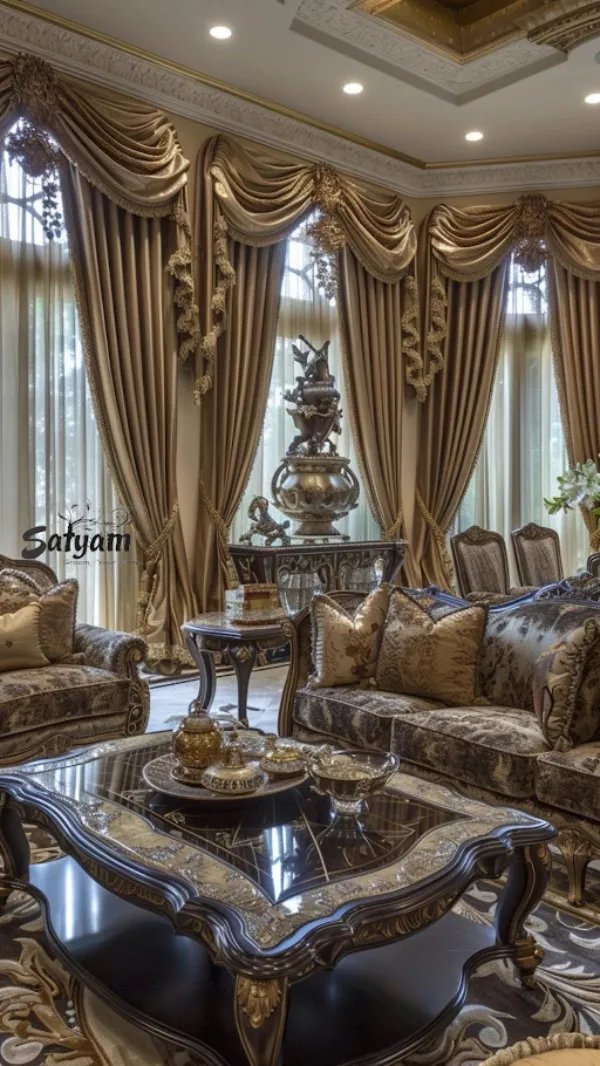
Floor-length curtains can create a clean vertical line and make windows feel more substantial. Short curtains may be appropriate in certain functional areas, but they usually create a more casual appearance.
The position of the curtain track or rod also matters. Mounting curtains appropriately above and beyond the window can visually increase the perceived size of the opening.
Colour needs to work with existing furnishings
There is no universal rule that curtains must match the sofa or wall colour exactly. In fact, excessive matching can make a room feel flat.
A more balanced approach is to identify the dominant and secondary colours already present. Curtains can then either complement those shades or introduce controlled contrast.
For example, a neutral living room can gain warmth from textured curtains, while a colourful interior may benefit from quieter window treatments.
Practical maintenance should influence the decision
Homes with children, pets, frequent dust exposure, or high-traffic windows may need fabrics that are easier to maintain. Delicate decorative materials can look impressive but may not be suitable for every environment.
Before choosing a curtain, check:
- Cleaning requirements
- Fabric weight
- Sunlight exposure
- Colourfastness
- Frequency of use
- Required privacy
- Existing curtain hardware
These practical details often determine how satisfied homeowners remain with their curtains after several months of everyday use.
Custom measurements make a visible difference
Ready-made curtains can work for standard windows, but unusual window sizes, wide openings, large sliding doors, and premium interiors often benefit from measured furnishing solutions.
Satyam Furnishing serves customers in Thane with furnishing options that can be coordinated according to window dimensions and interior requirements.
Well-selected curtains do much more than cover glass. They manage the relationship between the room and the outside environment. When fabric, measurements, light control, privacy, colour, and maintenance are considered together, window curtains become an integral part of a comfortable and visually balanced interior.
Keywords