The right wooden Venetian blind depends on more than colour: slat angle, window orientation, recess dimensions, humidity, operating frequency, and the amount of darkness you need all affect the result. By the end, you will be able to test light control, measure the opening, compare materials, identify installation risks, and ask for the specifications needed before ordering.
Key takeaways
- Tilt slats to balance daylight, glare, and privacy before raising the blind.
- Measure the window recess and check fitting clearance before ordering.
- Choose real wood when warmth outweighs moisture and maintenance concerns.
- Confirm slat width, finish, control position, and material in writing.
Match Slat Movement to the Light and Privacy You Need
Effective wooden Venetian blinds light control comes from moving the slats, not simply lowering the blind. Use the operating position that matches the light and privacy you need:
1. Tilt the slats for daylight redirection and glare reduction. Upward tilt can block higher-angle sun while preserving a lower outward view; downward tilt changes reflections and limits views from above. Test both angles in the room, because the best setting changes with window direction and sun height.
2. Close the slats for privacy control. This filters daylight and reduces direct glare, but it does not create darkness. Slat gaps, ladder-cord holes, and side gaps around the recess still admit light, so light filtering versus blackout blinds is a real distinction: wooden Venetian blinds are not a blackout treatment.
3. Raise the blind to expose the window. Remember that the headrail and stacked slats reduce the clear opening, especially on doors and low windows.
For east- and west-facing windows, tilt or close the blind before direct morning or afternoon sun reaches the glass. Waiting until the room heats up reduces the benefit. Light-coloured blinds reflect more solar radiation; dark blinds absorb more heat in direct sun.
Use glare control as the priority on east and west windows. Test privacy after dark with room lights on for street-facing rooms. Add layered curtains or a close-fitting shade with side channels when you need near-total darkness.
Choose the Slat Width and Measure the Window Before Ordering
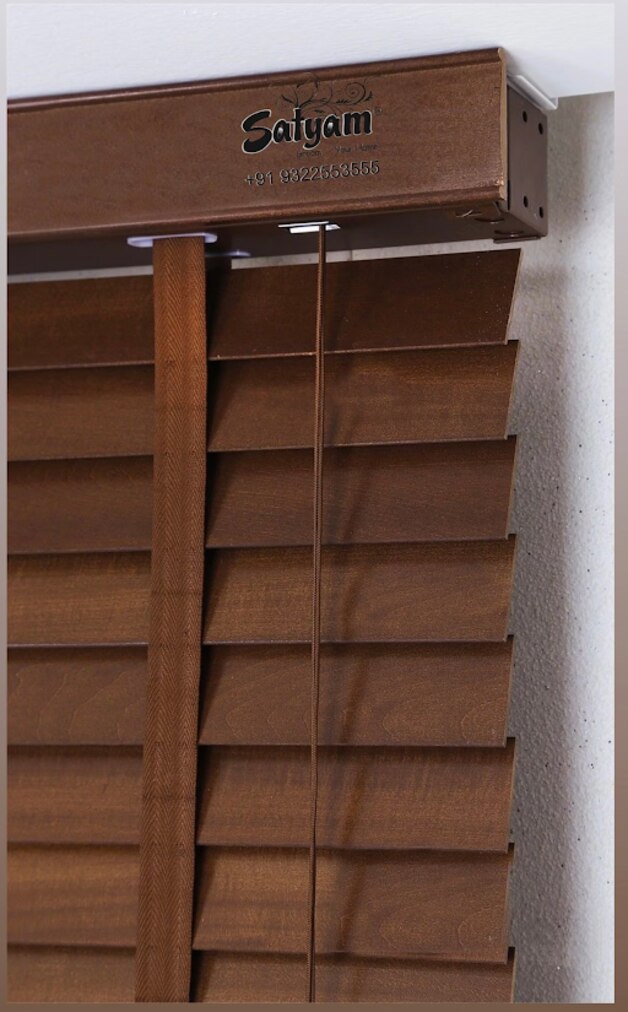
Select the wooden blind slat width around the window’s scale and available depth. Wider slats reduce ladder lines, give a clearer view when raised, and need more space for the blind stack; narrower slats suit smaller windows and shallow recesses but create more visual divisions and slat edges where light can show through.
| Slat width | Advantage | Installation trade-off |
|---|---|---|
| Wide | Fewer ladder lines and clearer open view | Greater blind stack height and recess depth |
| Narrow | Suits small windows and shallow recesses | More slat edges, visual divisions, and light leaks |
Before ordering, measure window recess width and drop and record both measurements. Decide between inside mount versus outside mount only after checking the fitting instructions: an inside mount needs sufficient recess depth for the headrail and stacked slats, while an outside mount needs the specified overlap to reduce side light.
Do not apply a universal deduction or overlap; use the selected supplier’s figures.
- Check handle projection, window vents, inward-opening clearance, and whether the frame can support the brackets.
- Mark the bracket space and the raised stack; blind stack height can cover the upper glass and reduce the clear opening, especially on doors and low windows.
- Confirm the headrail, tilt mechanism, and lifting system are rated for the blind’s real-wood weight.
- Ask for the maximum recommended size and expected operating frequency. A large blind used several times daily needs stronger hardware than a small occasional-use blind, so never assume one universal weight or size limit.
Decide Whether Real Wood Suits the Room and the Existing Interior
Real wood suits a dry, well-ventilated room where its warmth and visible grain justify careful handling. It is hygroscopic: humidity, sunlight, and condensation can make it move, fade, or change finish over time.
Avoid wooden blinds in bathrooms, wet kitchens, windows exposed to splashing, persistently humid areas, very wide or heavy windows, and rooms requiring near-total darkness. Slat gaps, ladder-cord holes, and side gaps admit light even when closed, so use a close-fitting shade or layered curtains for near-blackout conditions.
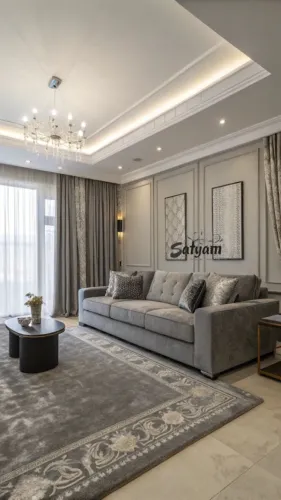
Coordinate the blind with the room’s existing finishes rather than adding another competing wood. Use one dominant wood tone: repeat a nearby flooring or cabinetry finish, or choose a controlled contrast.
Compare stain, paint colour, grain, and sheen beside the furniture, walls, and floor; a dark glossy blind can add excessive visual weight, while a pale matte finish recedes. Wood tone and grain matching matters most in compact rooms.
| Option | Main advantage | Trade-off or best use |
|---|---|---|
| Real wood | Warm texture and natural variation | Needs dry conditions and careful sizing |
| Aluminium Venetian blinds | Lower weight and better moisture tolerance | Cooler, less organic appearance |
| Faux-wood blinds | Practical for humid areas | Heavier-looking and less authentic than real wood |
| Roller blinds | Cleaner, simpler profile | Less adjustable texture and directional control |
| Curtains | Softness and stronger fabric-based shading | More wall space and fabric maintenance |
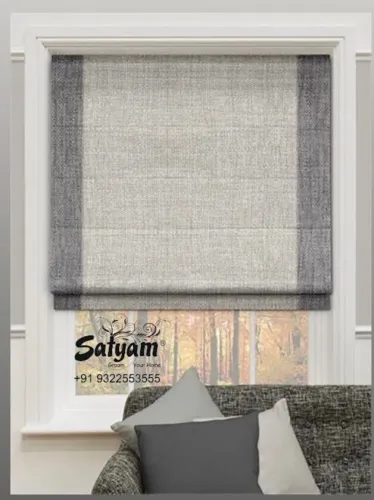
| Roman blinds | Layered decorative effect | More visual bulk and less slat-by-slat control |
Glazing and weather-sealing, not the blind alone, control much of a window’s heat transfer. Choose a light-coloured blind for stronger solar reflection; dark finishes absorb more direct-sun heat.
Install, Operate, and Maintain the Blind Without Damaging It
Check the window before fixing the brackets. Mounting too close to a handle can stop the slats from tilting, while an inward-opening sash can strike and chip them. Confirm the raised stack’s depth and position: it reduces the clear opening, especially with an inside mount.
1. Choose the safest control. Ask for cordless operation, a wand tilt, or motorisation. If cords are unavoidable, specify wooden blind safety cords through a chain-and-cleat arrangement, with cord length controlled and installed to the site’s applicable safety requirements. Keep loops and pull cords away from children and pets.
2. Verify motorised details before installation. Check battery access, charging access, radio control range, and manual override. A tall blind becomes inconvenient if its battery is inaccessible or a control failure leaves the window unusable.
3. Operate in the correct order. Tilt the slats to the open position before raising or lowering them, then lift or lower the blind smoothly without pulling at an angle. Forcing the lift with closed slats strains the cords, drums, and tilt mechanism.
4. Follow a dry cleaning routine. Dust with a dry microfiber cloth or soft brush attachment; do not soak or wet-wipe wooden slats. Clean spills promptly with minimal moisture, then inspect the tilt and lift hardware.
Regular dusting is part of wooden blind maintenance. Direct sun can change the finish, while moisture causes dimensional movement, swelling, or distortion. The answer to how to clean wooden Venetian blinds is gentle, dry care—not household spray or saturation.
Test the Finish and Verify the Specification Before You Commit
Judge the blind with a physical sample in the actual room, not a showroom chip. View wooden Venetian blind samples in morning and afternoon light, especially on a sun-facing window, because stain, grain, and sheen change across a full blind.
After dark, close the slats and switch on the room lights. Check whether faces, furniture, or movement remain visible from outside. Place the sample beside the actual flooring, cabinetry, wall, and furniture, then assess whether the intended slat width and finish sheen look visually heavy.
| Check | What to inspect | Why it matters |
|---|---|---|
| Daylight | Grain, colour, and sheen at morning and afternoon | Sun angle changes the appearance |
| Night privacy | Closed slats with interior lights on | Reveals real privacy performance |
| Room balance | Sample beside nearby finishes | Prevents clashing wood tones |
| Visual weight | Intended width and sheen | Dark, wide, glossy slats can dominate |
Before ordering, ask for written details on:
- Wood species and slat thickness; exact slat width; stain or paint finish
- Moisture suitability; maximum recommended blind size; headrail and bracket details
- Tilt and lift mechanism; cordless or motorised options
- Blind warranty and replacement parts availability
- Installation method; lead time; price; cleaning instructions
A Thane buyer can use SATYAM FURNISHING 9322553555 as a wooden blinds supplier Thane conversation for these questions. Verify every product limit, colour, hardware option, warranty, installation detail, lead time, and price rather than assuming it from a sample or verbal description.
Related product
 | Wooden Venetian Blinds ₹275 from Satyam Furnishing in Thane offer a refined blend of style and practicality. View product → |
Frequently asked questions
How should I position wooden Venetian blind slats for light and privacy?
Tilt the slats to direct daylight upward or downward, close them for privacy, and raise the blind when you need a clear view.
How do I choose the right slat width and measure the window?
Choose a width that suits the window’s scale, then measure the recess or exact fitting area at the top, middle, and bottom before ordering.
Is real wood suitable for every room?
Real wood suits dry living rooms, bedrooms, and studies, but moisture-heavy bathrooms and kitchens need a material that tolerates humidity better.
How do I maintain wooden Venetian blinds without damaging them?
Dust the slats with a soft cloth or vacuum brush, wipe spills promptly with a lightly damp cloth, and avoid soaking the wood.